
BRICS AND THE FUTURE: NEW DELHI, INDIA AND THE CHANGING GLOBAL ORDER
By Daniel Tiruneh
Addis Ababa, Ethiopia, September 20/2026 (ABN)
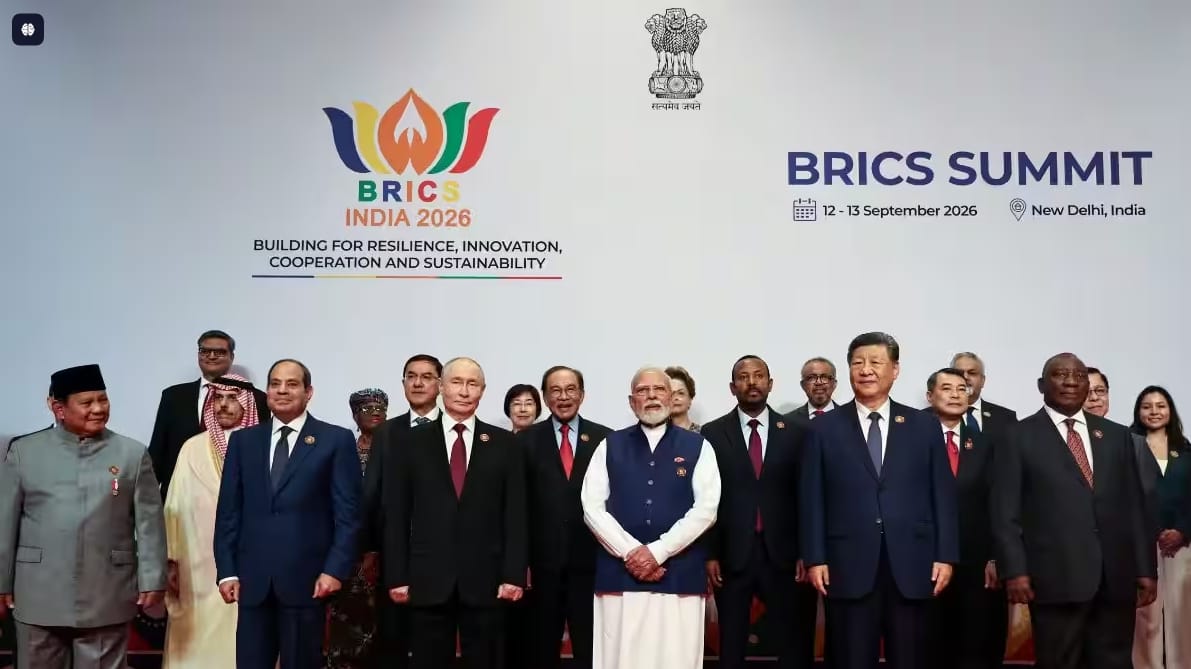
The 18th BRICS Summit in New Delhi has opened a new chapter in the evolution of one of the world’s most significant platforms for emerging markets and developing economies. Held on September 12–13 under India’s 2026 chairship, the summit brought together leaders and representatives from across the expanded BRICS membership at a moment when the global economy, international institutions and patterns of geopolitical cooperation are undergoing significant change. The New Delhi Declaration reaffirmed cooperation across political and security, economic and financial, and cultural and people-to-people pillars, while emphasizing a more representative and inclusive international system.
The scale of BRICS provides important context for understanding the significance of the New Delhi gathering. The expanded grouping represents approximately 40% of global GDP when measured on a purchasing-power-parity basis, alongside a substantial share of the world's population, trade, energy resources and emerging markets. This economic weight gives BRICS an increasingly important place in discussions about international trade, investment, development finance, technology, infrastructure and global economic governance.
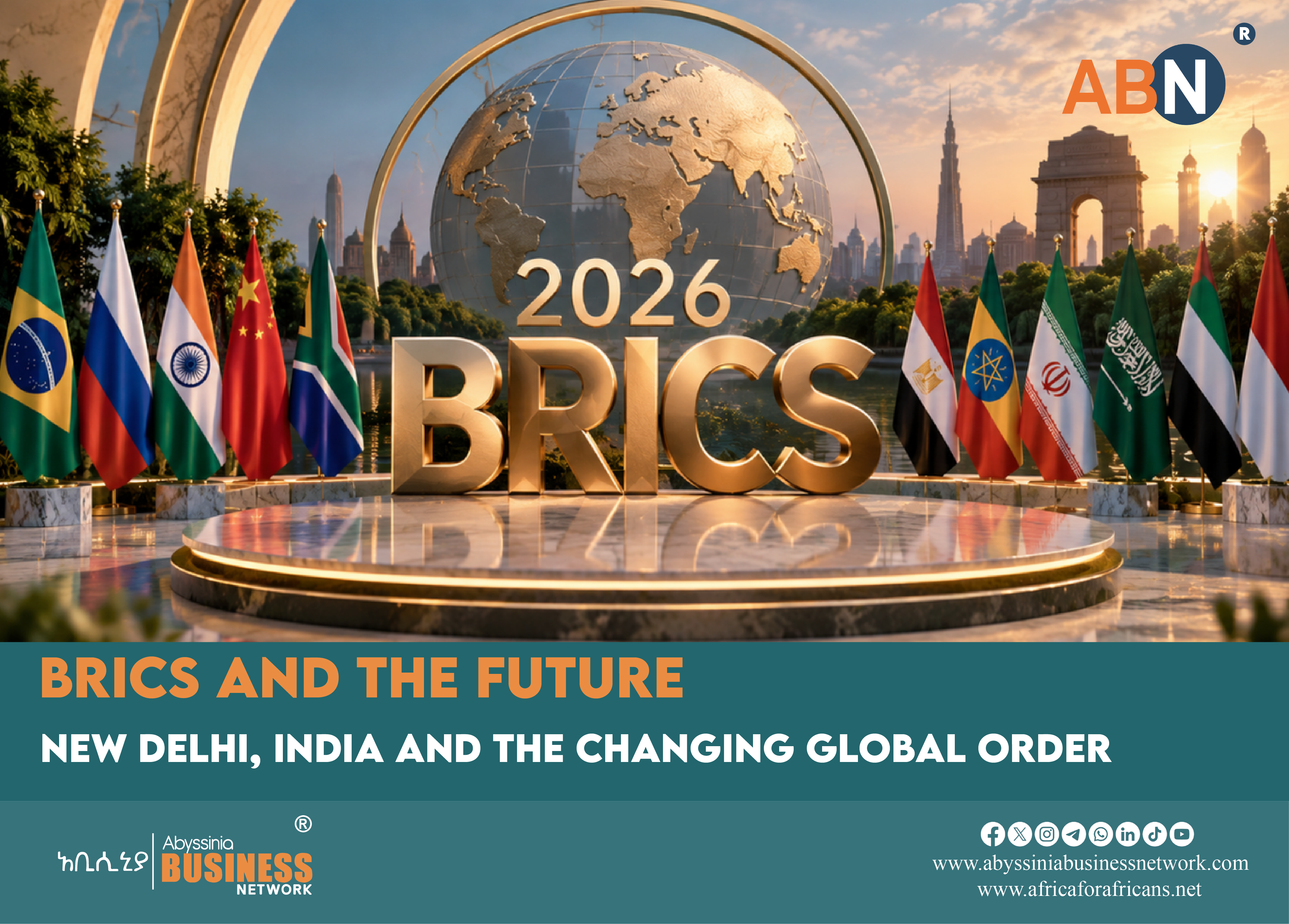
The 2026 summit also marked the 20th anniversary of BRICS cooperation. What began in 2006 as cooperation among Brazil, Russia, India and China, later joined by South Africa, has developed into an expanded platform involving Egypt, Ethiopia, Iran, the United Arab Emirates, Indonesia and Saudi Arabia, with additional partner-country engagement. The expansion has widened the geographic and economic reach of the grouping and increased its relevance to the Global South.
India’s role in this transformation was particularly visible in New Delhi. Under the theme “Building for Resilience, Innovation, Cooperation and Sustainability,” India organized more than 400 meetings and engagements across 30 cities during its BRICS chairship, involving ministers, parliamentarians, officials, experts, businesses and civil society. The New Delhi Declaration described the approach as balanced, practical, actionable, inclusive, development-oriented and people-centered.
Indian Prime Minister Narendra Modi presented the summit as a moment in which BRICS has reached a new stage of maturity. During the session on inclusive global governance and strengthening multilateralism, Modi argued that the Global South is heavily affected by global crises while remaining underrepresented in many major decision-making structures. He called for the Global South to move from being a “rule-taker” to a “rule-shaper” and emphasized that greater representation should be reflected in institutions including the United Nations Security Council.
Modi also framed the future of BRICS around shared responsibility. His central message was that if the future is shared, the right to shape that future should also be shared. This approach reflects India's effort to position BRICS as a platform for practical cooperation and broader participation in global governance rather than simply as a grouping defined by opposition to another bloc.
China’s President Xi Jinping brought another dimension to the discussion. Addressing the New Delhi Summit, Xi said that the Global South’s collective rise has become a key driver of world multipolarity. He argued that BRICS should deepen cooperation among emerging markets and developing countries, strengthen industrial and supply-chain cooperation, develop emerging industries and create new opportunities in areas such as artificial intelligence and innovation.
Xi also emphasized the importance of solidarity and dialogue among BRICS members. China is scheduled to assume the BRICS chairship in 2027 and host the next summit, giving Beijing responsibility for carrying forward the institutional and economic priorities established during India's chairship. Xi presented this transition as an opportunity to develop what he described as a third decade of BRICS cooperation.
The New Delhi discussions demonstrate that BRICS is increasingly moving across several interconnected areas of global economic activity. Trade, investment, finance, technology, energy, infrastructure, agriculture, digital transformation and sustainable development are becoming increasingly important components of the platform. The New Delhi Declaration itself emphasized economic and financial cooperation alongside political, security and people-to-people engagement.
For businesses and investors, this evolution creates an important question: how can the economic scale of BRICS be translated into practical opportunities? The answer will depend on the ability of governments and private-sector institutions to strengthen trade links, investment frameworks, payment systems, supply chains, technology partnerships and infrastructure connections.
The financial dimension is particularly significant. Emerging economies have long advocated greater representation in international financial institutions and broader access to development financing. BRICS cooperation has created additional platforms, including the New Development Bank, while discussions surrounding local-currency settlement, financial connectivity and expanded development finance continue to attract attention.
Technology represents another major frontier. India has developed extensive capabilities in digital public infrastructure, digital payments, financial technology and technology-enabled services. China brings significant capabilities in artificial intelligence, advanced manufacturing and digital industries. Other BRICS members contribute expertise in energy, natural resources, agriculture, logistics, finance and industrial production. Greater cooperation could connect these complementary capabilities across markets.
At the New Delhi Summit, Xi proposed initiatives including cooperation around open-source artificial intelligence, AI training and the creation of a BRICS AI ecosystem. He also called for stronger trade and investment facilitation and cooperation around special economic zones. These proposals illustrate how technology and investment are becoming central elements of the next phase of BRICS cooperation.
Africa occupies an important position in this changing BRICS landscape. The continent combines a rapidly growing population, abundant natural resources, expanding consumer markets and significant opportunities in infrastructure, manufacturing, agriculture, renewable energy, tourism and digital services. The participation of Ethiopia, Egypt and South Africa gives Africa a direct presence within the expanded BRICS framework, while wider BRICS partnerships provide additional channels for engagement with other African economies.
For Ethiopia, the New Delhi Summit carries particular relevance. Ethiopia joined the expanded BRICS framework at a time when Addis Ababa continues to serve as one of Africa's major diplomatic and institutional centers. The city hosts the headquarters of the African Union and numerous international organizations, creating an environment where BRICS-related economic cooperation can connect with wider continental priorities.
The connection between New Delhi and Addis Ababa therefore deserves increasing attention. New Delhi is a major gateway to India's economy and wider Asian markets, while Addis Ababa provides a gateway into Africa's diplomatic and institutional environment. Stronger links between the two cities can support opportunities in aviation, trade, tourism, education, technology, investment, logistics and industrial cooperation.
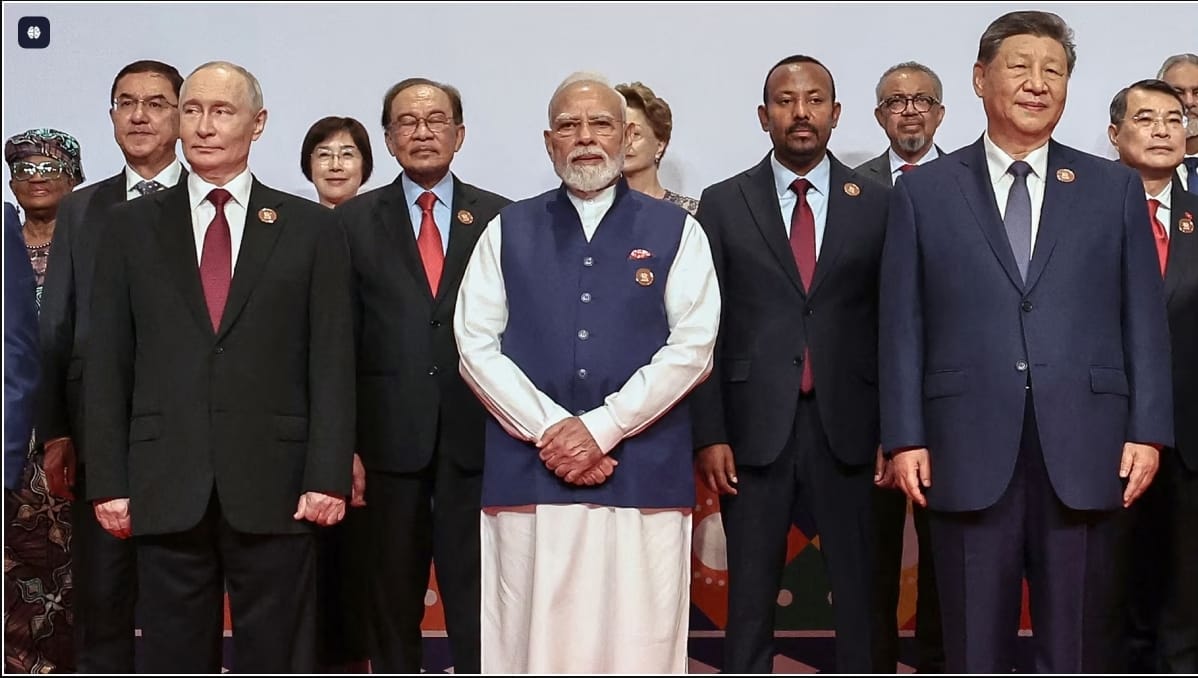
The presence of Ethiopian Prime Minister Abiy Ahmed at the New Delhi Summit also placed Ethiopia within the wider conversation on the future of the Global South. Official summit records show Ethiopia participating alongside leaders including Modi, Xi Jinping, Vladimir Putin, Cyril Ramaphosa, Masoud Pezeshkian, Abdel Fattah El-Sisi and Prabowo Subianto.
South Africa's role also remains important to the African dimension of BRICS. President Cyril Ramaphosa has consistently emphasized the importance of turning BRICS cooperation into practical economic outcomes, particularly through stronger trade, investment and private-sector engagement. South Africa's experience within the grouping provides an important bridge between BRICS cooperation and broader African economic priorities.
The private sector will ultimately be essential to translating the scale of BRICS into measurable economic activity. Government agreements can establish frameworks, while businesses, financial institutions, investors and entrepreneurs create commercial connections. Investment forums, trade exhibitions, business councils, technology partnerships and cross-border ventures can therefore become important instruments for turning diplomatic relationships into economic opportunities.
The changing global economy is also creating new questions around supply chains. Companies are increasingly examining the resilience and diversification of production networks, while countries are seeking stronger domestic industrial capacity and more reliable access to strategic goods. BRICS economies possess substantial capabilities in energy, agriculture, manufacturing, minerals, technology and services. Cooperation across these areas could contribute to new production and investment corridors.
Energy and climate cooperation are equally significant. BRICS includes major energy producers as well as some of the world's largest and fastest-growing energy markets. Cooperation in renewable energy, clean technology, energy efficiency, climate finance and resilient infrastructure could support development while responding to the global transition in energy systems.
The New Delhi Declaration also placed strong emphasis on sustainable development and inclusive growth. Leaders reaffirmed their commitment to greater participation by emerging markets and developing countries in global decision-making, including stronger representation for developing regions in international institutions. The declaration specifically highlighted the importance of greater and more meaningful participation by emerging markets and developing countries, particularly from Africa, Asia and Latin America and the Caribbean.
This emphasis gives the BRICS conversation a broader dimension. The question is increasingly about how global institutions can reflect the economic and demographic realities of the twenty-first century. With BRICS accounting for approximately 40% of global GDP on a PPP basis, its members have significant economic weight. The challenge ahead is to translate that weight into effective cooperation, sustainable development and practical benefits for their populations.
At the same time, the New Delhi Summit demonstrated that BRICS contains diverse national interests and perspectives. The expanded membership brings together countries with different economic systems, foreign-policy priorities and regional interests. The group's ability to maintain consensus while addressing these differences will remain an important factor in its future development.
The adoption of the New Delhi Declaration showed that members could reach consensus on a broad framework covering global governance, economic and financial cooperation, sustainable development, technology, security and people-to-people relations. The declaration reaffirmed the principles of sovereign equality, mutual respect, solidarity, openness, inclusiveness, collaboration and consensus.
The summit also confirmed that BRICS is becoming increasingly institutionalized. The New Delhi Declaration welcomed progress in areas including the BRICS Online Archival Database and called for continued institutional development and stronger coordination. Leaders also expressed support for China's 2027 chairship and the hosting of the 19th BRICS Summit in China.
For the Global South, the significance of New Delhi therefore extends beyond the two-day summit. It represents an ongoing conversation about economic opportunity, institutional representation, technological development and international cooperation. For countries such as Ethiopia, the opportunity lies in engaging with this evolving network through concrete trade, investment, diplomatic and business initiatives.
Addis Ababa can play an important role in this process. As the diplomatic capital of Africa, it has the institutional environment to connect African governments, businesses and international organizations with BRICS partners. Building stronger platforms for India-Africa and wider BRICS-Africa engagement could support new investment opportunities and strengthen commercial links between the world's emerging markets.
New Delhi also demonstrates the importance of cities as engines of international cooperation. Major capitals are increasingly becoming economic gateways where diplomacy, technology, finance, business and culture meet. The relationship between New Delhi and Addis Ababa can therefore be viewed not simply through bilateral diplomacy, but through the broader development of connections between Asia and Africa.
The future of BRICS will ultimately be determined by what happens beyond summit halls. Its economic significance will depend on whether agreements lead to investment, whether trade barriers are reduced, whether technology partnerships expand, whether development finance reaches productive projects and whether businesses can find new markets across the participating economies.
The 2026 New Delhi Summit has provided a significant platform for that next phase. India placed resilience, innovation, cooperation and sustainability at the center of its chairship. China will carry the process forward in 2027. Africa remains an increasingly important part of the BRICS story, with Ethiopia, Egypt and South Africa bringing continental perspectives into the grouping.
Twenty years after the beginning of BRICS cooperation, the organization now represents approximately 40% of global GDP on a purchasing-power-parity basis and has expanded into a broader platform connecting major emerging economies across several continents.
From New Delhi, the direction of the conversation is increasingly focused on partnership, representation and practical cooperation. The future global economy will continue to be shaped by multiple centers of growth, innovation, investment and production. BRICS is one of the platforms through which those emerging centers are seeking to strengthen their connections.
For India, New Delhi 2026 was an opportunity to demonstrate its role within this changing landscape. For China, the transition to the 2027 chairship creates a new phase of responsibility. For Africa, the expanding BRICS framework presents opportunities for deeper engagement. For Ethiopia and Addis Ababa, it offers a platform to connect the continent's diplomatic, economic and investment ambitions with one of the world's largest emerging-market networks.
The story of BRICS and the future is therefore ultimately a story about connectivity. Connectivity between economies, cities, businesses, technologies, financial systems and people. As New Delhi passes the BRICS chairship to Beijing, the next chapter will test how effectively the group's considerable economic scale can be transformed into practical cooperation and shared development.
The New Delhi Summit has placed that question at the center of the global conversation. With the Global South gaining greater economic weight and BRICS representing a substantial share of the world economy, the coming years will reveal how this platform contributes to the evolving architecture of international cooperation.